
Key facts: Hardwood Floor Drying in Danbury
Oak
Oak floors over basements
Drying mats work from above while air and dehumidification target the subfloor from below [1].
Wide plank
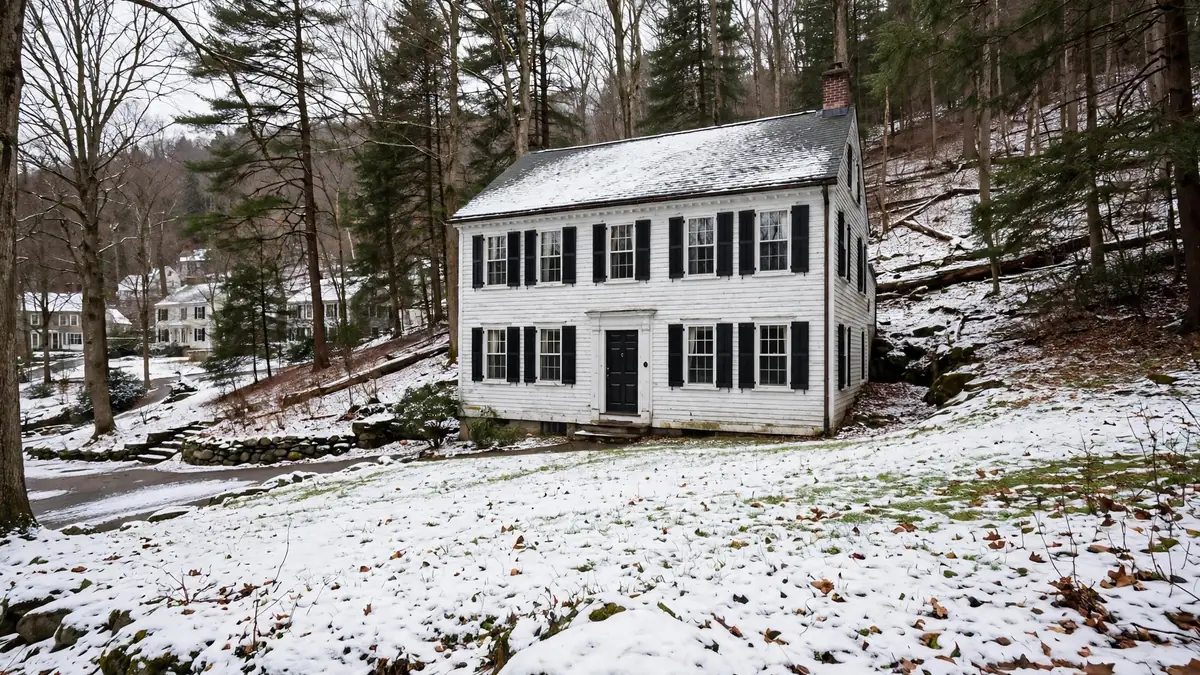
Wide-plank floors in older houses
Old wide pine boards are worth keeping but crack if dried too hard. Patience matters.
Crawl spaces
Floors over crawl spaces
Dry the crawl space too, or the floor above stays damp.
Steps
Helping a wet floor
- Pull up rugsThey trap water.
- Move furnitureOff swollen boards.
- Wait before sandingLet it settle.
Nearby
Floors in Ridgefield, Redding and Newtown houses
Older houses in the village centers of Ridgefield, Redding and Newtown often have wide pine or oak floors that owners want to keep. They respond well to patient drying but split if dried too hard and fast. Newer colonials and capes usually have oak strip over plywood with a basement or crawl space below. Renovated homes may have engineered floors or laminate; engineered can sometimes be dried, laminate usually swells at the seams and is replaced. Tell the contractor which you have.
If a floor runs through several rooms, ask how a repair will blend in.
Settling
Giving the floor time
Even after readings reach normal, boards may keep relaxing for weeks. Keep the house at normal temperature and humidity, leave rugs off and photograph the floor weekly. Decide on sanding only when it stops changing.
Calling
What to mention about the floor
Say whether it is solid, wide plank, engineered or laminate, what is underneath, how long it was wet and whether there is radiant heat.
Subfloor
Checking the subfloor
The subfloor holds water long after the finish boards feel dry and keeps them wet from below. OSB can swell and lose strength at the edges, and plank subfloors in older houses have gaps that let water through. Restorers check the subfloor from the basement or crawl space below, or by drilling small holes in an inconspicuous spot, and keep drying until it reaches its own dry goal. Over crawl spaces, drying the crawl space itself is part of drying the floor above.
Boards will not flatten while the subfloor below them is still wet.
Clean or not
Clean-water leaks versus flood water
A burst pipe or appliance leak puts clean water into a floor, which can often be dried. Floors soaked by river water or sewage are contaminated and are usually removed. The source decides the plan.
Seasons
Seasonal movement
Wood floors swell in humid summers and shrink in dry heated winters. The contractor sets the drying goal from unaffected boards in your house, and small winter gaps afterwards are usually seasonal.
Matching
Matching boards
Oak strip is easy to match; wide pine may need salvaged boards from a closet. Refinishing the room blends the repair.
Prevention
Protecting the floor
Leak sensors near the dishwasher, refrigerator and any bathroom over wood floors, braided supply lines and steady indoor humidity protect floors from the next leak.
Mats
How drying mats work
Flexible mats are taped to the floor and connected to a vacuum unit that draws moisture up through the joints between boards. Dehumidifiers in the room capture that moisture. On solid strip and plank floors, mats can pull a surprising amount of water from the joints and subfloor. On tight engineered floors they are less effective, and lifting planks may be the better option. The crew seals the edges carefully so the vacuum draws through the floor rather than around the mat.
Mats usually run for several days alongside dehumidifiers.
Stairs
Stairs and landings
Water from an upstairs bathroom often runs down the stairs. Treads and risers are thick and dry slowly; the crew may dry the stringers from below. Pull up any runner so the treads can dry.
Rugs
Area rugs
Pull area rugs and rubber-backed pads off wet hardwood right away. They trap water against the boards and can leave marks.
Tenants
If you rent
The owner decides on drying and repair. Keep furniture and rugs off the wet area, leave the equipment running and report new cupping or soft spots.
Finishes
Old finishes that turn cloudy
Older floors may carry varnish, shellac or wax finishes. Moisture under them can turn the finish cloudy white. That haze often clears as the floor dries. If it remains once the floor has settled, a light screen and recoat or a full refinish usually solves it. In homes built before 1978, sanding old finishes should follow lead-safe practices, so ask the refinisher how they handle dust.
Furniture
Moving furniture back
Wait until the floor has settled before moving heavy furniture back, use felt pads and lift pieces rather than dragging them. Danbury's hills send groundwater to uphill walls.
Records
Keeping the floor record
Photograph the floor on day one and after it settles, and keep the drying readings. They support the claim and answer a buyer's questions later.
Kitchens2
Cabinets next to the dishwasher
Particleboard cabinet bases beside a leaking dishwasher swell and rarely recover. Solid wood cabinets usually dry. Check before the floor is refinished, so cabinet repairs and floor work can be done in the right order.
Patience2
What a good result looks like
A successful job ends with boards that read like unaffected boards, lie flat or nearly flat after settling and need at most a light refinish. Ask the contractor what result they expect for your floor before work starts, so you can judge progress along the way.
Cleaning2
Cleaning the floor once dry
Clean gently with a product suited to the finish and avoid wet mopping.
Cupping
Why boards cup and how drying fixes it
Water soaks into the underside and edges of the boards first, so the bottom swells more than the top and the edges rise. Drying the boards and subfloor evenly lets them relax. Drying mats taped to the surface pull moisture up through the joints by vacuum while dehumidifiers capture it, and air directed at the subfloor from the basement or crawl space below balances the drying. Sanding a cupped floor before it has dried and settled leaves it crowned later.
Many floors keep flattening for weeks after the equipment leaves.
Kitchens
Appliance leaks under cabinets
Slow dishwasher and refrigerator leaks are a common cause of cupped floors. Pull the appliance, remove the toe kick and let air reach the floor beneath. Check the cabinet base next to the dishwasher; particleboard swells and rarely recovers.
Radiant
Wood over radiant heat
Some newer homes have hot-water radiant heat under wood floors. Run it low and steady during drying, and if the tubing leaked, have a heating contractor repair it first.
FAQ
Hardwood floor questions from Danbury
Can wide pine boards be saved?
Often, with patient drying.
Can engineered flooring be dried?
Sometimes; laminate usually cannot.
How long does it take in the Danbury area?
Often one to two weeks including settling. Ice dams are common on older Danbury-area capes.