

Homeowner guides
Water damage guides for homeowners
Most people have never dealt with water damage before. These guides answer the questions that come up first, with safe steps you can take yourself and what to expect from a restorer.
Sources appear at the end of each guide. An on-site visit still decides the details.
All guides
 Guide
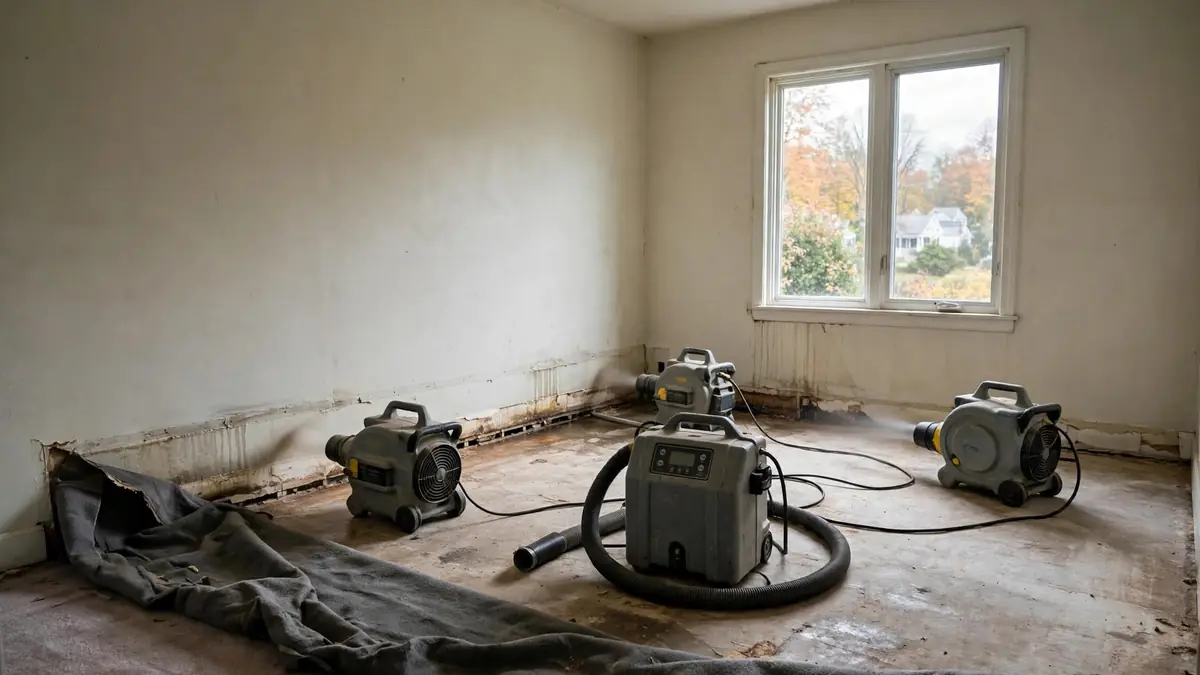
How long drying takes
Realistic drying times for walls, floors, basements and concrete, and what speeds drying up or slows it down.
Read the guide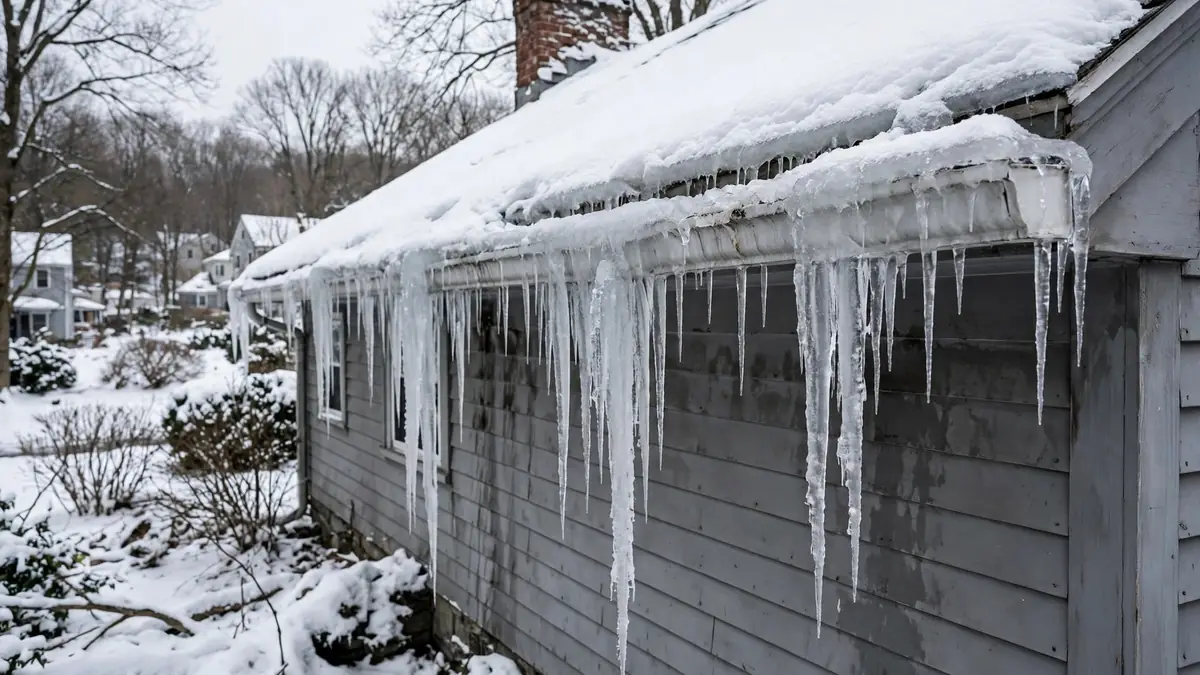 Guide
Ice dam leaks
Why ice dams form on Connecticut roofs, how they push water into ceilings and walls, and what to do when they leak.
Read the guide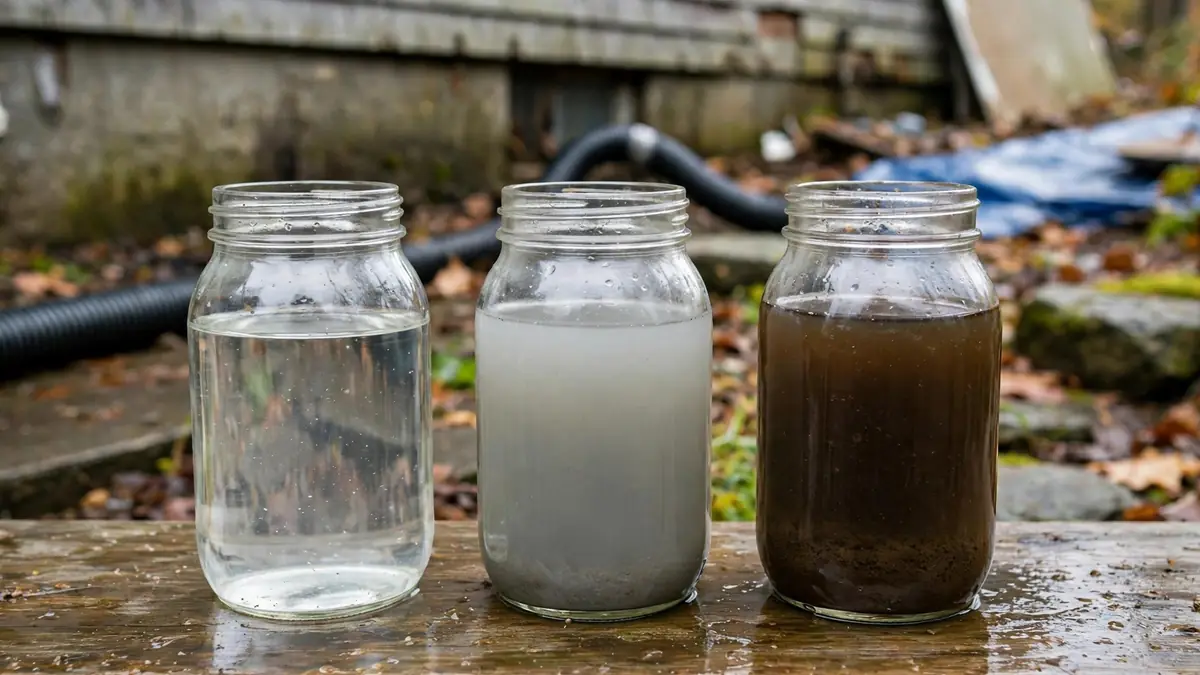 Guide
Water damage categories
Clean, gray and black water explained: where each comes from, why it matters and what it means for your home.
Read the guide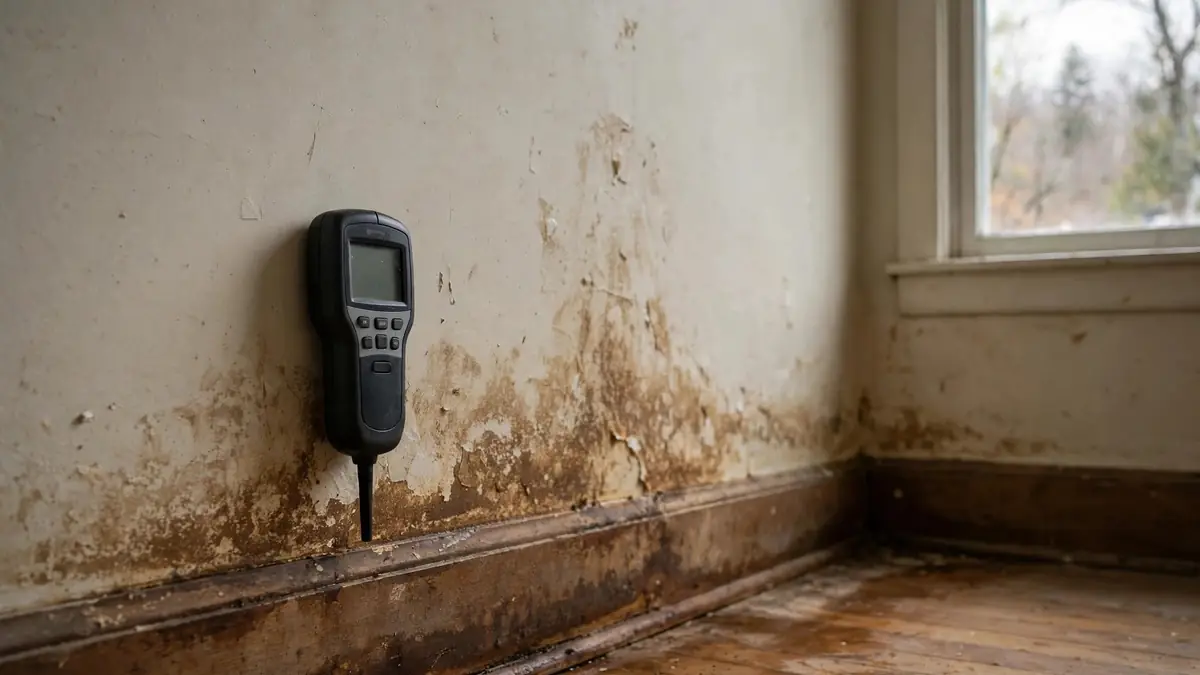 Guide
Wet drywall: save or replace
How restorers decide whether wet drywall can be dried in place or has to be cut out, and what the signs mean.
Read the guide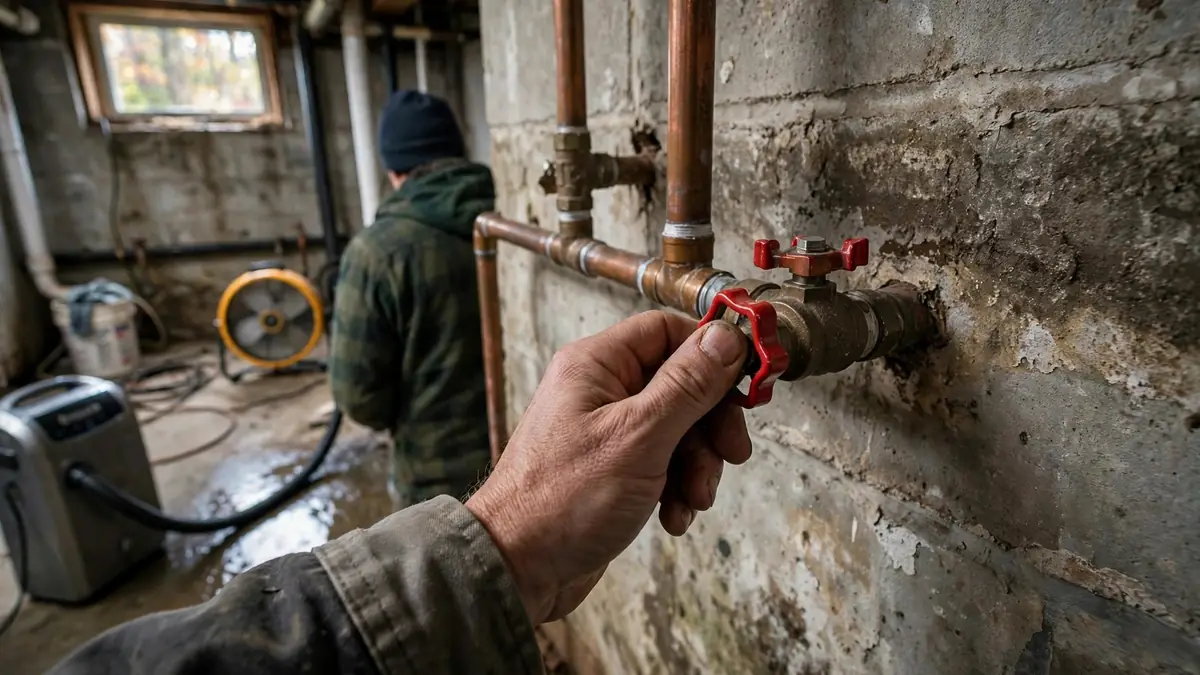 Guide
What to do after water damage
The first hour, the first day and the first week after a leak or flood, in the order that protects your home and your claim.
Read the guide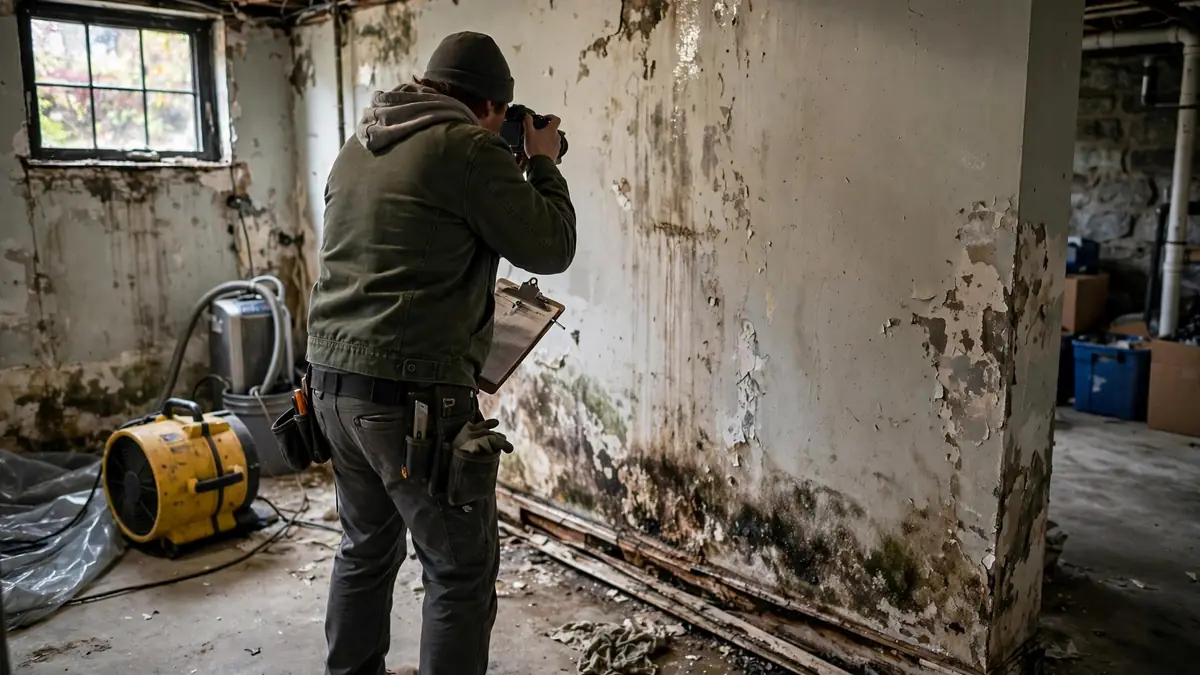 Guide
Working with your adjuster
How a water damage claim usually works in Connecticut: reporting, documentation, the adjuster visit and where to get help.
Read the guide
Start here
Where to start
If water is in your home right now, start with what to do after water damage. If drying is under way and you are wondering how long it will last, read how long drying takes. For decisions about walls, see wet drywall: save or replace.
To understand why some water is handled so differently from other water, see water damage categories explained. For winter roof leaks, see ice dam leaks, and for the claim, working with your insurance adjuster.
The guides are written for Connecticut homes: cold winters that freeze pipes, snow that builds ice dams, old foundations that seep in spring and shoreline storms. They explain what you can safely do yourself, what to leave to professionals and which questions to ask a restorer. Each lists the public sources it relies on, such as U.S. EPA mold and flood guidance and Ready.gov safety pages, so you can read further.
None of the guides makes insurance decisions or quotes for work; those depend on your home, your policy and the contractor you choose. Use them alongside a proper on-site assessment, and see the full list of water damage services or the quick answers page for shorter explanations.
Guides
All homeowner guides
- Guide
How long drying takes
Realistic drying times for walls, floors, basements and concrete, and what speeds drying up or slows it down.
Read the guide - Guide
Ice dam leaks
Why ice dams form on Connecticut roofs, how they push water into ceilings and walls, and what to do when they leak.
Read the guide - Guide
Water damage categories
Clean, gray and black water explained: where each comes from, why it matters and what it means for your home.
Read the guide - Guide
Wet drywall: save or replace
How restorers decide whether wet drywall can be dried in place or has to be cut out, and what the signs mean.
Read the guide - Guide
What to do after water damage
The first hour, the first day and the first week after a leak or flood, in the order that protects your home and your claim.
Read the guide - Guide
Working with your adjuster
How a water damage claim usually works in Connecticut: reporting, documentation, the adjuster visit and where to get help.
Read the guide
Prefer to talk it through?
Call and describe what happened
One call connects you with an independent Connecticut restorer who can answer questions about your situation.