
Key facts: Hardwood Floor Drying in Bridgeport
Old floors
Original strip floors in Bridgeport apartments
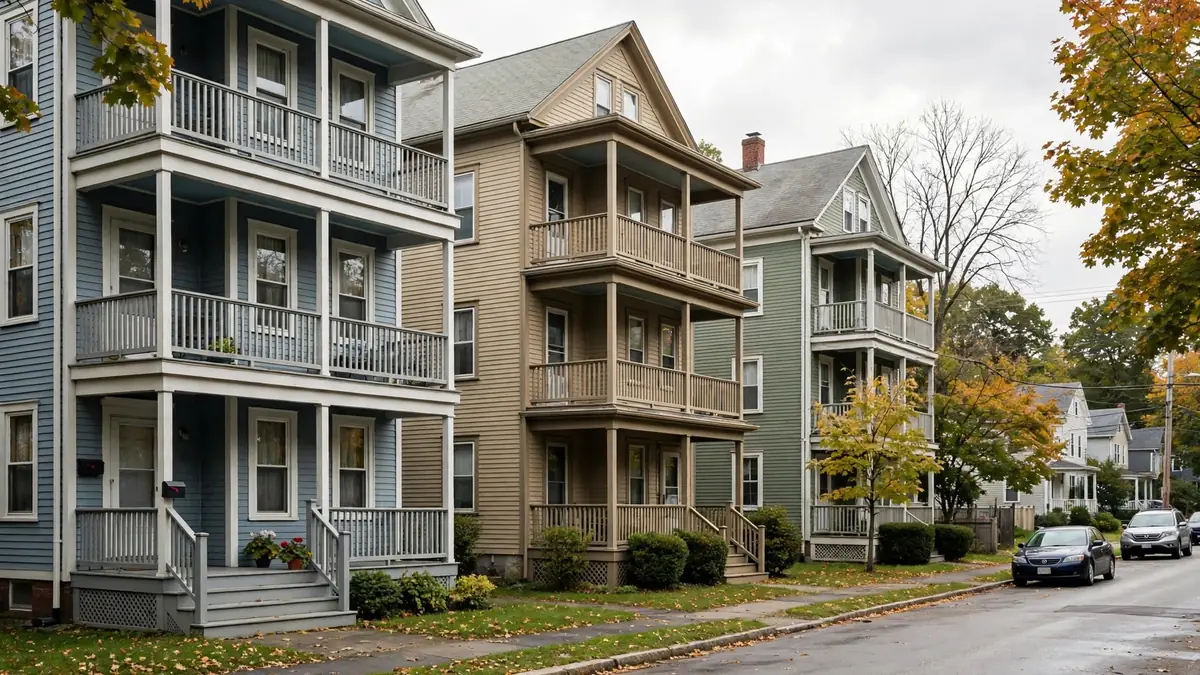
Older multi-family houses here often have tongue-and-groove strip flooring nailed over plank subfloors. It has usually been sanded several times over the decades, so the wear layer may be thin. That makes patient drying more important than aggressive sanding afterwards [1].
Radiators
Slow leaks around radiators
Hot-water and steam radiators are common in older Bridgeport buildings. A leaking valve can soak the floor beneath it for weeks. The boards near the radiator cup and darken. A heating contractor fixes the valve; the restorer dries the floor with mats and dehumidification.
Drying from below
Using the basement to dry first-floor floors
In a first-floor unit over an open basement, the crew can direct air and dehumidification at the subfloor from underneath while mats work from above. Drying from both sides balances the boards and speeds flattening.
Refinishing
Deciding about sanding later
Wait until the floor has dried and settled before sanding; sanding too early can lead to crowning. In buildings from before 1978, ask how the refinisher will handle dust from old finishes [3].
Steps
What helps a wet Bridgeport floor
- Pull up rugs and runnersThey hold water against the boards.
- Lift vinyl or carpet over hardwoodSo the wood can breathe.
- Keep the heat steadyNot blasting from a radiator next to the wet spot.
- Wait before sandingLet the floor settle.
Plank subfloor
Plank subfloors under Bridgeport floors
Older buildings often have board subfloors laid diagonally across the joists, with small gaps between boards. Water runs through those gaps to the ceiling below, which spreads damage but also gives a path for drying air. The restorer reads the subfloor from the unit or basement below to confirm it is dry, not just the finish flooring.
Kitchens
Kitchen floors under appliances
Refrigerator ice-maker lines and dishwasher hoses are common leak sources in updated kitchens of older units. Water spreads under the appliance and into the hardwood next to it. Pull the appliance out if it is safe to do so, so the floor beneath can dry, and check the cabinet base next to the dishwasher.
Floor shapes
Reading a wet Bridgeport floor
What the shape says.
| Shape | Meaning | Action |
|---|---|---|
| Edges raised (cupping) | Bottom wetter than top | Dry from below; wait |
| Centers raised (crowning) | Sanded too early | Let it settle; refinish later |
| Boards lifting off | Severe swelling | Replace that section |
| Dark seams | Water held in joints | Dry; light sanding may remove stains |
Matching
Patching a floor in an older apartment
If some boards must be replaced, matching old oak or maple strip in a common width is usually possible, though aged color differs. Owners sometimes take boards from a closet to patch a visible spot. Refinishing the whole room afterwards blends the repair.
Common leaks
The leaks that usually reach Bridgeport hardwood
In the city's older apartments, hardwood most often gets wet from three sources: a radiator valve leaking slowly, a dishwasher or ice-maker line in a renovated kitchen, and water dropping from a bathroom in the unit above. Each wets the floor in a different pattern. A radiator leak soaks a small area for a long time; a dishwasher leak spreads under cabinets; a leak from above wets a stripe near the plumbing wall.
Mats
How drying mats work on an old floor
Flexible mats are taped to the floor and connected to a vacuum unit that pulls moisture up through the joints between boards. On older floors with wider gaps, mats can work well. The crew seals the edges carefully so the vacuum draws through the floor, not around the mat, and runs dehumidifiers in the room to capture the moisture.
Patience
Why the floor keeps changing after drying
Old wood relaxes slowly. Boards may stay slightly cupped when the readings say dry and then flatten over several weeks of normal indoor humidity. Photograph the floor every week or so. Decide on sanding only after it has stopped changing.
Tenants
If you rent and the floor is damaged
The floor belongs to the building, so the owner decides on drying and repair. Tenants can help by keeping furniture off the wet area, leaving rugs up and keeping the equipment running. Report any new cupping or soft spots to the owner.
Finishes
Old finishes on Bridgeport floors
Older floors may carry layers of varnish, shellac or wax. Some finishes cloud white when moisture gets under them. That haze often clears as the floor dries; if it stays, light refinishing usually fixes it.
Nearby towns
Hardwood in Fairfield, Stratford and Trumbull homes
In the single-family homes of nearby covered towns, hardwood often runs through first floors over a basement, which makes drying from below easier. Engineered floors and laminate are also more common in renovated houses. Engineered floors can sometimes be dried; laminate usually swells at the seams and is replaced. Tell the contractor which you have.
Stairs
Stair treads in older Bridgeport houses
Water from an upstairs leak often runs down the main staircase. Old treads and risers are thicker than flooring and dry slowly. The restorer may work from underneath, through a closet or basement ceiling, to dry the stringers. Badly split treads are replaced one at a time.
Calling
What to mention about a Bridgeport wood floor
Say whether the floor is solid strip, wide plank, engineered or laminate, what covers it, how long it was wet and what is underneath: an open basement, a finished ceiling or another apartment. Note any cupping or dark seams. With that, the contractor can judge whether mats, drying from below or replacement is the realistic route. Mention radiators near the wet area too, because a slow radiator leak needs a heating contractor before drying can finish, and say whether the owner wants to keep the original floor if at all possible.
FAQ
Hardwood floor questions from Bridgeport
Can a floor that has been sanded many times be saved?
Often, by drying rather than sanding. A thin wear layer limits how much sanding it can take afterwards.
The floor by my radiator is cupped. Is that water damage?
Usually yes, from a slow valve or vent leak. Get the radiator fixed and the floor dried.
Should I pull up the vinyl over my hardwood?
If water got under it, yes; it traps moisture against the wood.
How long does it take?
Often one to two weeks including settling time.