
Key facts: Water Extraction in Norwalk
River homes
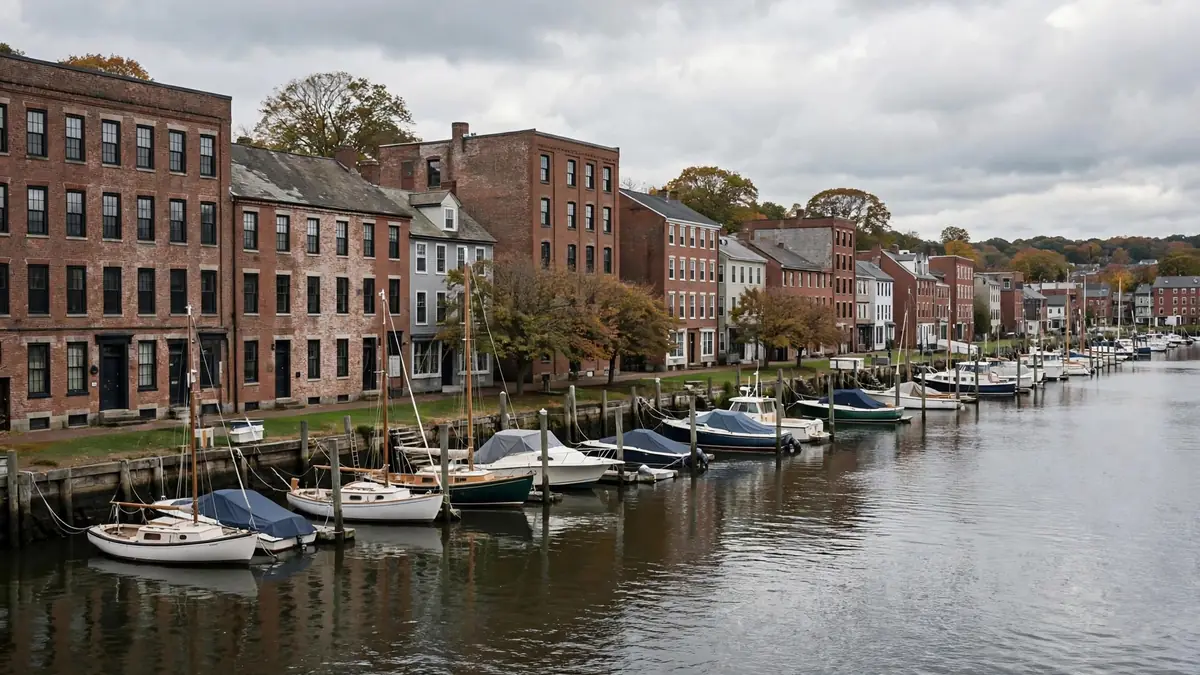
Pumping out after the river rises
When heavy rain falls on saturated ground, the Norwalk and Silvermine rivers can rise into low-lying properties along their banks [1]. Once the water recedes, submersible pumps clear basements and crawl spaces, and extractors take care of floors. River water is contaminated, so extraction is only the start; carpet, pad and drywall it soaked are usually removed afterward [2].
Do not go back into a flooded lower level until officials say it is safe and the power to it is confirmed off. Norwalk homes near the river and harbor face this most.
Harbor
Extraction after coastal flooding near the harbor
Homes near Norwalk Harbor and along the shoreline face storm surge, seawater pushed ashore by a storm's winds [3]. After a surge, garages, crawl spaces and lower levels may hold a mix of seawater, mud and debris. Pumping and extraction come first, followed by rinsing salt from surfaces that are kept and drying.
Hills
Extraction in hillside homes
Away from the water, most Norwalk houses are single-family colonials, capes and raised ranches with full basements, many of them finished. A failed washing machine hose or water heater can spread an inch of water across a family room before anyone notices. Truck-mounted extractors work well here because the van can usually park in the driveway and run hoses straight to the basement door.
Carpet
Carpet in finished Norwalk basements
Carpet laid over concrete holds water against the slab. With clean water caught quickly, the carpet may be dried after the pad is pulled. With groundwater, river water or sewage, carpet and pad are normally discarded. Many homeowners use the chance to replace basement carpet with a floor that tolerates water.
Multi-family
Older multi-family buildings near the center
Older two- and three-family houses and small apartment buildings near the river and the city's older centers behave like those in other Connecticut cities: a leak upstairs reaches the units below, and the basement is shared. The crew works from the source unit downward and records moisture in every space.
Condos
Newer apartments and condos
Newer residential buildings around the harbor and redeveloped areas see appliance and supply line failures that spread to units below. Building management closes valves, arranges access and parking and may limit working hours. Portable extractors are carried in, and each unit is documented separately for the master policy and owners' policies.
Crawl spaces
Water in crawl spaces under older houses
Some older Norwalk houses and shoreline cottages sit partly over crawl spaces. Water pools on the dirt or thin slab after floods or long rains. A small pump and wet vacuum remove it, and wet insulation hanging from the joists is pulled out so the space can dry.
Timing
Why fast extraction matters
The faster liquid water comes out, the more drywall, flooring and framing can be dried instead of replaced. Mold guidance points to drying within a day or two [4], which only works once the standing water is gone.
Records
Records for a Norwalk claim
Photograph the water line on walls, the source and every damaged item before extraction. River and storm flooding usually fall under flood insurance, while burst pipes and appliance leaks fall under homeowners policies, so the cause matters as much as the damage.
Nearby
Westport, Wilton, Weston, Darien and New Canaan
Covered towns around Norwalk include Westport, Wilton, Weston, Darien and New Canaan. Larger homes there often have extensive finished lower levels, so one leak can mean a lot of carpet and drywall to extract and remove. Shoreline streets in Westport and Darien share Norwalk's surge risk, while Wilton and Weston homes up the river valley deal with brooks, wells and septic systems.
First steps
Before the crew reaches your Norwalk home
- Stop the water if you canMain valve for plumbing leaks; wait out flooding.
- Stay out of floodwaterIt is contaminated and may hide hazards.
- Cut power safelyOnly from a dry spot.
- Move valuables upOff lower floors.
- PhotographWater lines, rooms and belongings.
South Norwalk
Extraction in South Norwalk buildings
South Norwalk mixes older brick buildings, multi-family houses and newer apartments close to the harbor and the river mouth. Day to day, extraction there usually follows apartment leaks between units or water from old roofs and plumbing. During big storms, ground floors and basements near the water can take on outside water. Narrow streets and limited parking mean the crew often relies on portable extractors carried inside rather than a truck-mounted unit, and the building owner or manager usually needs to arrange access to several units.
Tenants should tell the owner quickly and in writing, and move electronics and papers off the floor while they wait.
Calling
What the crew needs to know about a Norwalk water problem
Tell them whether the water came from inside the house or from outside, how deep it is, which rooms it reached and how long it has been there. Mention a finished basement, a crawl space, a well, and any furnace or water heater sitting in the water. If the street is flooded, say so, so the crew does not try to drive through it. With that information they can bring pumps sized to the job and plan for cleaning if the water was contaminated.
After
What happens once the water is out
Extraction ends with a moisture map of every wet wall, floor and ceiling. That map sets up drying: how many dehumidifiers and air movers are needed, which rooms are closed off and which materials come out. If the water came from outside, cleaning and disinfection happen first. Most Norwalk homes then dry in three to five days, longer for plaster, hardwood or concrete in a cool basement.
Belongings
Rescuing belongings during extraction
While the crew pumps and extracts, move what you can to a dry floor: documents, photos, electronics and anything irreplaceable. Wet books can be stood upright with pages fanned, and important papers frozen in sealed bags until they can be dried properly.
FAQ
Water extraction questions from Norwalk
Can I pump out river water myself?
With care and protective gear you can start, but soaked materials still need removal and the area needs cleaning before drying.
My finished basement flooded from a washer hose. Will the carpet survive?
Clean-water carpet extracted quickly can sometimes be saved; the pad usually goes.
Is storm water from the harbor dangerous?
It is treated as contaminated. Wear boots and gloves and keep children away.
Who pays for extraction after river flooding?
Usually flood insurance rather than homeowners insurance. Check your policies.
How long does extraction take?
Often a few hours for a basement, longer for deep or widespread water.