
Key facts: Water Extraction in New London and Groton
Shoreline
Pumping out after coastal storms
Low streets near the harbor in New London, along the Groton shore and around Mystic take on seawater during strong storms [2]. After it recedes, submersible pumps clear basements, garages and crawl spaces, and extractors handle floors. Because surge water carries sewage, fuel and debris as well as salt, it is treated as contaminated, and extraction is followed by removing soaked porous materials and cleaning before drying [3].
Do not go back into a flooded lower level until officials say it is safe and the power to it is off.
Crawl spaces
Extraction under shoreline cottages
Many older houses near the water, including cottages converted to year-round homes, sit over shallow crawl spaces with dirt or sand floors. Water pools there after storms and long rains and soaks the insulation hanging between the joists. Small pumps and wet vacuums remove what they can reach, and wet insulation comes out so the space can dry. Extraction in these tight spaces is slow, careful work.
If the floor above feels damp or smells musty after a storm, ask for the crawl space to be checked.
Historic
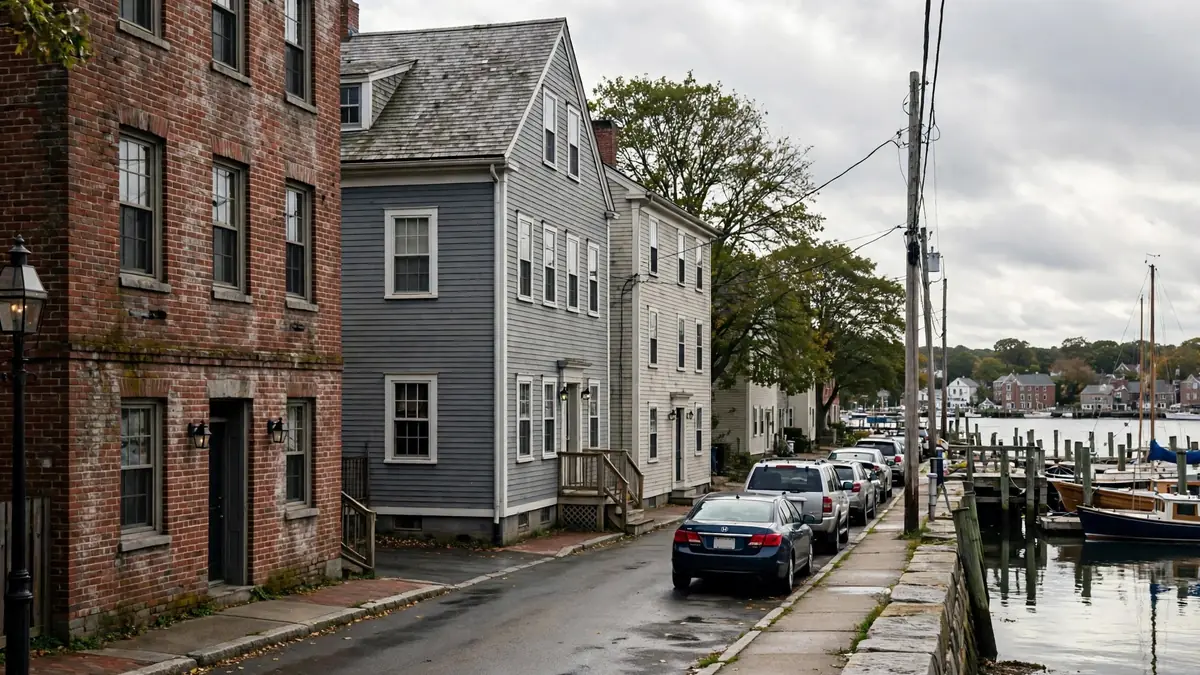
Older houses near downtown New London
New London's older neighborhoods have houses from the city's long maritime history, with plaster walls, wide-plank floors and stone foundations. Extraction there is gentler: pulling water from old floors without forcing it deeper, and releasing water held above plaster ceilings carefully before they sag.
Multi-family
Apartments in New London and Norwich
Older multi-family houses in New London and up the river in Norwich see leaks between stacked units and damp shared basements. The crew works from the source unit downward and documents each apartment.
First steps
Before the crew arrives
- Close the main for plumbing leaksWait out storm flooding.
- Stay out of storm waterIt is contaminated.
- Cut power safelyFrom a dry spot.
- Move valuables upOff lower floors.
- PhotographWater lines and rooms.
Calling
What to tell the contractor about water near the Thames
Say whether the water came from inside the house or from outside, how deep it is, which levels and rooms it reached and how long it has been there. Mention a crawl space, a finished basement and any furnace, boiler or water heater sitting in the water. If the street is still flooded, say so. With those details, the crew can bring pumps sized to the job, protective gear for contaminated water and enough hands for a tight crawl space.
Records
Records for the claim
Photograph the water line on walls, the source and every damaged item before extraction. Storm surge and river flooding generally fall under flood insurance, while burst pipes and appliance leaks fall under homeowners policies.
Groton
Extraction on the Groton side of the river
Groton, across the Thames from New London, mixes older village areas, mid-century neighborhoods and newer developments, many within sight of the water. Inland homes there usually have full basements, often finished, and the common causes of standing water are washing machine hoses, water heaters, burst pipes and sump failures. Near the shore, storm surge and wind-driven rain add outside water. A truck-mounted extractor usually parks in the driveway, and the crew pumps any deep water before extracting carpet and floors.
Condo and apartment buildings in the area need building staff to close valves and arrange access.
Timing
Why the first day matters
The faster liquid water comes out, the more drywall, flooring and framing can be dried instead of replaced. Mold guidance points to drying within a day or two, which only works once standing water is gone. In humid shoreline summers, that window feels short.
Seawater
When seawater got inside
After surge, extraction is followed by rinsing salt from surfaces that are kept. Salt left in wood and concrete draws moisture from humid air and keeps them damp long after drying should have finished.
Norwich
Extraction in Norwich at the head of the Thames
Norwich, where the Thames is formed, is an older city with multi-family houses on steep streets and shared basements. Extraction there looks much like other older Connecticut cities: water from an upper unit reaches the units below, basements with stone walls take on groundwater in spring, and steep steps mean portable equipment is carried in. The crew works from the source unit down and documents every apartment for the owner and tenants.
Condos
Condos and apartments near the harbor
Newer condo and apartment buildings around New London, Groton and the shoreline towns see appliance leaks, supply line failures and sprinkler heads that spread water to the units below. Building management closes valves and arranges access, and the crew documents each unit separately so the association's master policy and each owner's policy can be sorted out.
After
What happens once the water is out
Extraction ends with a moisture map of every wet wall, floor, ceiling and crawl space. That map sets up drying: equipment size, which rooms are sealed off and which materials come out. After seawater, rinsing comes first.
Help
How you can help the crew
Clear a path to the door, move cars from the driveway and keep pets in a closed room while the crew works.
Nearby
Extraction in Mystic, Waterford, East Lyme, Norwich and Old Saybrook
Covered communities around the Thames include Mystic, Waterford, East Lyme, Norwich and Old Saybrook. Mystic's older houses near the Mystic River and its historic seaport village face the same storm-surge risk as New London. Waterford and East Lyme have shoreline neighborhoods and inland subdivisions with finished basements and sump pumps. Norwich, at the head of the Thames, is an older city with multi-family housing on hillside streets. Old Saybrook, further west at the mouth of the Connecticut River, has low shoreline neighborhoods and many seasonal homes.
The crew's sequence does not change by town: stop or wait out the source, photograph, extract from the highest wet point down and map moisture before drying.
Belongings
Rescuing belongings during extraction
While the crew works, move documents, photographs, electronics and anything irreplaceable to a dry floor. Stand wet books upright with pages fanned, and freeze important papers in sealed bags until they can be dried. After seawater flooding, items that were soaked are usually discarded unless they are hard and washable.
FAQ
Water extraction questions from New London and Groton
Can a crawl space under my cottage be pumped out?
Yes. Small pumps and wet vacuums are used, and wet insulation is removed so it can dry.
Is storm surge water safe to clean up?
No. Treat it as contaminated and wear protective gear.
Does homeowners insurance cover storm surge?
Generally no; flood insurance usually does. Near the Thames and the Sound, ask whether seawater was involved.
How long does extraction take in New London and Groton?
Often a few hours, longer in tight crawl spaces.