
Key facts: Structural Drying in New London and Groton
Salt
Drying after seawater
Salt left behind by surge water attracts moisture from the air, so surfaces can feel damp long after drying should have finished. Restorers rinse salt from framing and slabs that are being kept, then dry. Readings confirm when the wood is truly dry rather than just surface-dry.
Crawl spaces
Drying crawl spaces near the water
Dehumidifiers and air movers placed inside the crawl space, wet insulation removed and a new vapor barrier afterward keep the floor above stable.
Plaster
Plaster in historic houses
Firm plaster is dried in place with vent holes [2]. Sagging plaster comes down. Paint in older houses may contain lead, so cutting needs care.
Humidity
Shoreline humidity
Summer air near the Sound is humid, so windows stay shut and dehumidifiers do the work [3].
Readings
Proof that it is dry
Daily readings at marked points show progress until each material matches its dry goal [1].
Help it along
During drying
- Leave equipment runningDay and night.
- Keep windows closed on humid daysNear the shore.
- Report new stainsRight away.
Wind rain
Drying walls after wind-driven rain
Houses near the water take the brunt of coastal wind. During nor'easters and tropical storms, rain is driven into siding joints, around window frames and under roof edges, then runs down inside the wall. The damage often shows days later as a stain below a window or a damp baseboard. The restorer checks wall cavities below affected windows with meters, opens them if insulation and framing are wet and dries them with air movers and dehumidifiers. A carpenter or roofer fixes the flashing or siding so the next storm does not repeat it.
These leaks are easy to underestimate because nothing pours in.
Readings
What the daily visit involves
Each day the technician reads marked spots, checks temperature and humidity inside and outside and moves equipment to areas still wet. Ask to see the log; numbers should fall steadily.
Calling
What to mention when you call
Say what got wet, whether it was seawater, whether there is a crawl space and whether walls are plaster or drywall.
Historic detail
Drying old houses without damaging them
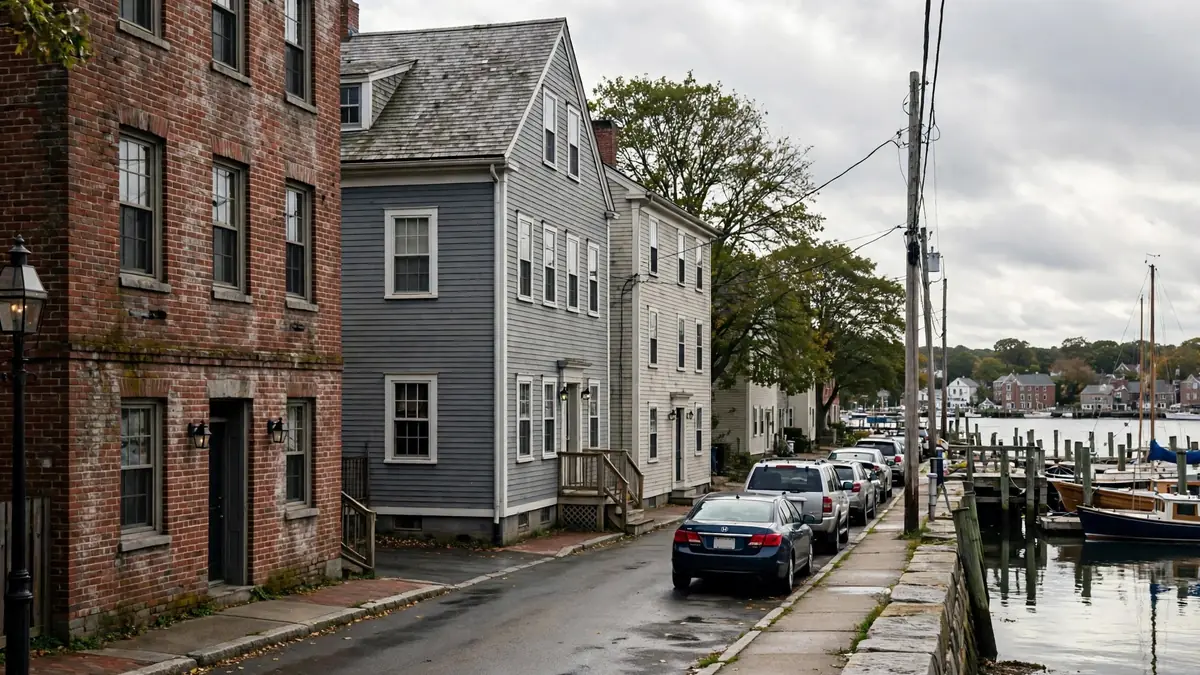
Historic houses in New London and Mystic have plaster on wood lath, old-growth framing, wide-plank floors and sometimes original trim and paneling owners want to keep. These materials dry slowly and can crack or warp if dried too hard and fast. Restorers use moderate temperatures, dehumidification and steady airflow rather than high heat, and they vent wall cavities through small holes instead of removing plaster that is still firmly attached. Paint layers in houses this old may contain lead, so any drilling or cutting uses lead-safe methods and keeps dust contained.
If the house is in a local historic district, exterior repairs may need approval from the town.
Finishing
Repairs once the house reads dry
Plaster patching, drywall, paint and flooring go back only after every material matches its dry goal. Painting damp walls brings stains back and traps moisture.
Help
What homeowners can do during drying
Leave the equipment running day and night, keep windows closed on humid days, keep the heat steady in winter and report any new stain or smell.
Ice dams
Drying after an ice dam leak
Snowy winters bring ice dams to older houses with modest attic insulation, even on the coast. Meltwater soaks insulation near the eaves and stains ceilings and the tops of exterior walls. Drying means removing wet insulation, venting the affected wall cavities and running equipment in the rooms below. Better air sealing, insulation and ventilation reduce the chance of the same leak next winter.
A roofer handles the roof itself; the restorer handles the inside.
Power
Electrical load during drying
A full drying setup draws a lot of power. Older houses may have limited circuits, so the contractor spreads equipment and avoids chained extension cords. If a breaker trips, reset it and tell the technician.
Log
Keeping the drying log
Ask for a copy of the final readings and keep it with your house records; a buyer's inspector may ask about past water damage.
Seasons
Drying through the shoreline seasons
Spring brings groundwater and the occasional nor'easter; summer brings humidity that means windows stay shut and dehumidifiers carry the load; late summer and autumn bring tropical storms; winter brings burst pipes and ice dams. Heated winter air helps drying upstairs, while crawl spaces and cold lower levels slow it down. Tell the contractor whether the house has been heated normally since the water arrived, especially for a seasonal home that may have been cold for weeks.
The contractor adjusts the setup to the season and the readings. Groton and Mystic homes close to the water face this most.
Crawl
Holding the crawl space dry afterwards
After drying, a vapor barrier and, in many cases, a dehumidifier in a sealed crawl space keep the floor above stable through humid summers.
Mystic
Drying older houses in Mystic
Mystic's older houses near the river and the historic village have the same slow-drying plaster, old framing and wide-plank floors as historic New London homes, often with additions over crawl spaces. Drying plans cover the old core and the crawl space under the addition together. Gentle heat and patient dehumidification protect old materials better than speed, and readings guide every decision about what to keep. Expect such houses to take a few more days than a newer home with the same leak.
Help
What homeowners can do during drying
Leave the equipment running day and night, keep doors and plastic sheeting as set and keep windows closed on humid days. Allow daily access for readings, and tell the technician about any new stain, drip or smell.
Nearby
Drying homes in Waterford, East Lyme and Mystic
In the covered towns around New London, drying jobs range from finished basements in inland subdivisions to crawl spaces under shoreline cottages and plaster walls in old Mystic houses. Finished basements need pad, lower drywall and wet insulation removed before drying, then several days of equipment. Crawl spaces need dehumidifiers placed inside them. Historic houses need patience, because plaster and old-growth wood dry slowly and crack if pushed with too much heat.
Every job ends the same way: each wet material reading like its unaffected counterpart.
Equipment
What runs in a shoreline drying setup
Expect low-grain refrigerant dehumidifiers in living areas, desiccant units in cold or tight crawl spaces, centrifugal air movers along walls and sometimes injection hoses pushing dry air into wall cavities. HEPA air scrubbers are added when contaminated water or demolition dust is involved. The technician moves equipment as areas dry.
FAQ
Structural drying questions from New London and Groton
Why rinse before drying after a storm?
Salt keeps drawing moisture from the air if it is left in place.
Can plaster walls be saved?
Usually, if they stay attached to the lath.
How long does drying take?
Often four to seven days, longer in crawl spaces and old houses.