
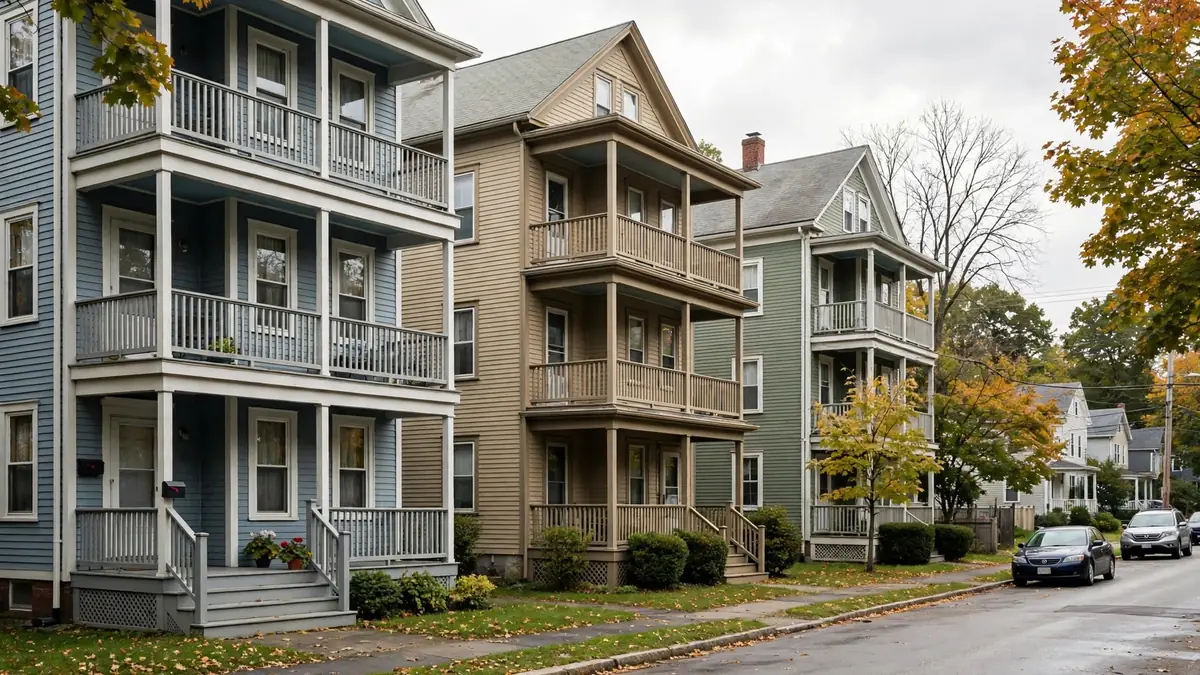
Key facts: Sewage Backup Cleanup in Bridgeport
Why it happens
Why Bridgeport basements back up
Two things usually cause it here. Inside, old clay or cast iron laterals under the yard crack and let tree roots in. Outside, heavy rain can overload municipal sewers, and older systems that carry storm water and sewage together are especially prone to it [2]. If backups only happen in storms, the street sewer is likely part of the story.
Either way, stop all water use in every apartment until the cause is found: one washing machine draining upstairs can push more sewage out of the basement drain.
Protection
Keeping tenants safe during cleanup
Belongings
What happens to stored items in a sewage backup
Soaked cardboard, mattresses, upholstered furniture, rugs and paper are generally discarded. Metal, glass and hard plastic can be washed and disinfected. Each household should photograph and list what is lost for their own renters claim.
Prevention
A backwater valve for a Bridgeport building
A backwater valve on the building's main sewer line lets wastewater out but closes when flow reverses [3]. For buildings that back up in storms, it is often the most effective fix. A plumber can tell you whether your line suits one and whether a permit is needed. A camera inspection of the lateral shows roots or breaks that should be repaired too.
Owners
Owner responsibilities after a backup
Owners usually arrange the cleanup of the structure, the plumber and any sewer repair. Tell every tenant what happened, when water use can resume and how the basement will be cleaned. Check whether your policy includes water backup coverage, which is often a separate endorsement [5].
Now
If sewage is coming up in your Bridgeport basement
- Stop water use everywhereNo flushing, showers or laundry in any unit.
- Close the basement doorKeep everyone out.
- Call the owner and a plumberThe blockage or surcharge must be addressed.
- Photograph from the stairsWithout stepping into the water.
Laterals
Old sewer laterals under Bridgeport yards
The pipe from a house to the street sewer, the lateral, is often original in older neighborhoods. Clay sections crack and separate at the joints, and tree roots from street trees push in. A plumber can run a camera through the line from a cleanout and show you exactly where roots or breaks are, which tells you whether cleaning, lining or digging is needed.
Mixed water
When a flood and a backup happen together
In a heavy storm, a basement can take on groundwater through the walls and sewage up the drain at the same time. Once mixed, all of it is treated as sewage. That means every soaked porous item goes and the whole floor is cleaned and disinfected, not just the area by the drain.
Signs
Warning signs of a coming backup
Catch these before the basement floods.
| Sign | Likely meaning |
|---|---|
| Several drains slow in every apartment | Main line partly blocked |
| Gurgling toilets when a washer drains | Air pushed back by a blockage |
| Sewer smell in the basement | Dry trap or partial backup |
| Water in the floor drain during rain | Street sewer near capacity |
Restart
When water use can start again
Only after the plumber has cleared the line, or the street sewer has dropped after the storm, should tenants run water again. Start with small amounts and watch the basement drain. Let everyone in the building know at the same time so one household does not undo the work by running a full laundry load.
Health
Looking after people in the building
Sewage carries germs that can make people sick. Anyone who touched the water should wash with soap and clean water right away. Keep cuts covered, and seek medical advice if someone develops stomach illness or an infected wound after exposure. Children, older adults and anyone with a weakened immune system should stay away from the basement until it has been cleaned and disinfected.
Laundry
Washing clothes that were splashed
Clothing and linens that were splashed but not soaked can often be saved by washing in hot water with detergent, separately from other laundry. Items that sat in sewage are usually discarded. Shoes and boots worn during early cleanup should be cleaned and disinfected, or thrown out if they are fabric.
Documentation
Records for a sewage claim
Photograph the drain, the water level and every affected item before cleanup, and keep the plumber's written finding on the cause. If the street sewer surcharged, note the date and the rainfall. Insurers often treat backups differently from other water, so clear records help the claim move.
Floor drain
Keeping the floor drain in good order
After cleanup, pour water into rarely used floor drains every few weeks so the trap stays full and blocks sewer gas. Keep drain covers in place and clear of storage. If a backwater valve is installed, ask the plumber how often it should be checked.
Nearby towns
Septic and sewer in the towns around Bridgeport
Most of Bridgeport is on city sewer, but some homes in the outer parts of covered towns such as Trumbull, Monroe and Shelton use septic systems. A septic backup looks the same inside the house but needs a septic contractor to pump and inspect the tank and check the leach field. Mention which you have when you call so the right people are involved from the start.
Calling
What the contractor needs to know about a Bridgeport backup
Say whether the sewage came up a floor drain, a basement toilet or a laundry standpipe, how far it spread and whether it was raining hard at the time. Mention whether the line has been cleared and whether tenants have stopped using water. List what is stored in the affected area. Those details tell the crew how much containment, protective gear and removal to plan for, and whether a plumber still needs to be involved before cleanup can finish. It also helps to say whether anyone in the building is unwell or very young.
FAQ
Sewage backup questions from Bridgeport
Our drain backs up only when it pours. Why?
Heavy rain can overload the sewer system, pushing water back into the lowest connected basements.
Can tenants clean the basement themselves?
It is not safe. Sewage needs protective gear, removal of porous materials and disinfection.
Will a backwater valve stop it?
It can stop sewage flowing back from the street line. A plumber should confirm it suits your building.
Does homeowners or landlord insurance cover sewer backup?
Often only with a water backup endorsement. Check the policy.