
Key facts: Mold Prevention in New Haven
- Drying wet materials within 24 to 48 hours helps prevent mold growth [1].
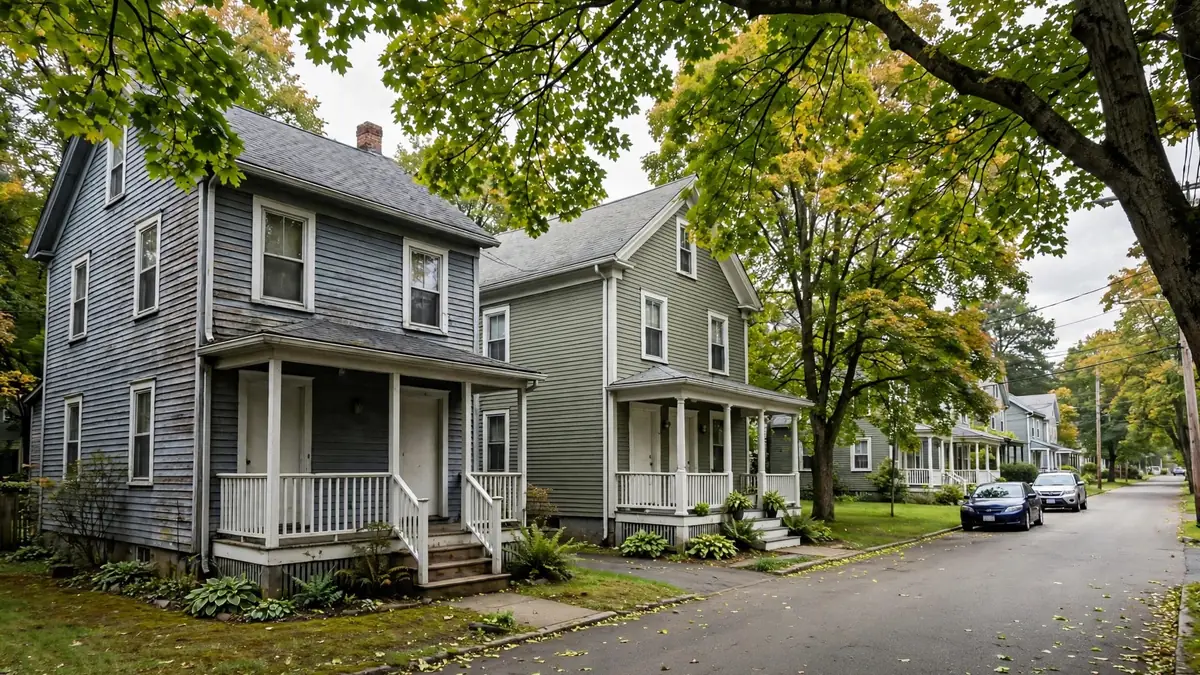
- Indoor humidity should be kept below 60 percent to discourage mold [1]. Older New Haven two-families often share one main line.
- Large areas of existing growth call for professional remediation under the ANSI/IICRC S520 standard [2].
Reporting
Why reporting leaks quickly matters most
The biggest mold risk in New Haven rentals is time. A tenant notices a small drip under the sink or a faint stain on the ceiling, waits to see whether it gets worse, and by the time the landlord hears about it the cabinet base or the ceiling cavity has been wet for a week. Report water the day you see it, in writing, with photos. Landlords who act the same day rarely face mold.
The EPA's guidance is clear: dry wet materials within 24 to 48 hours, and the risk of growth drops sharply [1].
Old materials
Plaster, lath and old wood
Plaster walls, wood lath, plank subfloors and old framing all hold moisture and contain organic material mold can feed on. They also dry slowly. After any leak in an older New Haven building, give these materials more drying time than you would drywall, and check readings rather than assuming they are dry because the surface feels dry.
Radiators
Slow radiator leaks
A radiator valve that drips slowly can keep a patch of floor and the ceiling below damp for months. Dark stains around a radiator, cupping boards or a brown ring on the ceiling underneath are signs. Get the valve repaired and the area dried; slow, constant moisture is exactly what mold needs.
Bathrooms
Bathrooms without good ventilation
Many older apartments have weak or missing bathroom fans. Shower steam keeps walls and ceilings damp, especially in winter when windows stay shut. After a leak, and in general, run whatever fan you have, open the window briefly after showers on dry days and wipe down wet surfaces.
Students
Mold in student apartments
Student apartments often have more occupants, more laundry and more cooking steam than the building was designed for, plus long empty periods over breaks when nobody notices a leak. Before leaving for break, students should check under sinks and around the tub, and landlords should arrange for someone to look in on empty units.
Existing growth
When mold is already visible
Small spots, under about ten square feet, can often be cleaned with detergent and water by someone wearing gloves, goggles and an N-95 respirator, once the moisture source is fixed. Larger areas, growth inside walls or growth after sewage or floodwater should be handled by professionals following the S520 standard [2].
Painting
Painting over stains too soon
Painting over a water stain on damp plaster seals moisture in and invites mold behind the paint. Wait for readings that confirm the wall or ceiling is dry, use a stain-blocking primer and then paint.
Follow-up
Checking back after the job
A few weeks after a leak, walk through the affected rooms and the basement. Sniff for mustiness, look at the bottoms of walls and the ceilings below bathrooms and check stored boxes. If anything seems off, ask for readings.
Rights
Tenants, landlords and mold
Mold that results from a building leak is generally the owner's responsibility to address. Tenants should report it promptly and in writing and allow access for drying and repairs. Clear communication on both sides keeps a small problem from becoming a dispute.
Checklist
Mold prevention steps for New Haven buildings
- Report water the same dayIn writing, with photos.
- Dry every affected unitNot just the obvious one.
- Get wet boxes out of the basementWithin a day.
- Hold humidity under 60 percentWith a dehumidifier.
- Wait for dry readings before paintingAnd use stain-blocking primer.
Nearby
Mold prevention in Hamden, West Haven and the shoreline towns
In the covered towns around New Haven, finished basements are the main mold risk after water damage, followed by attics wetted by winter ice dams and crawl spaces under shoreline cottages in Branford, Guilford and Madison. Crawl spaces close to the water stay damp and can grow mold on insulation and joists after a storm. Pumping, removing wet insulation and running a dehumidifier inside the crawl space, then adding a proper vapor barrier, keeps it in check.
Inland, a basement dehumidifier through the humid months and quick drying after any leak prevent most problems.
Calling
Describing mold risk on the call
Tell the contractor when the water arrived, which units and rooms it reached, whether walls are plaster and whether anything already smells musty or shows spots. Mention anyone in the household with asthma or allergies. If more than two days have passed, say so; the plan may need to include checking inside walls and ceilings.
Closets
Closets and cabinets on exterior walls
Closets on outside walls in older apartments are cold, crowded and poorly ventilated. After a leak, they hold damp air for days and clothing or boxes inside can start to smell. Empty any closet near the wet area, leave the door open and let a dehumidifier reach it. The same goes for cabinets under sinks: empty them, open the doors and remove the toe kick if water got underneath. These small spaces are where mold most often appears first, simply because nobody looks in them during cleanup.
Belongings
Clothing, books and furniture after a leak
Wash damp clothing and linens within a day or two, fan out wet books upright in a dry room and move upholstered furniture to where air moves freely. Anything still smelling musty after a few days is unlikely to recover and is better discarded than kept in a closet.
FAQ
Mold questions from New Haven residents
My apartment smells musty a week after a leak upstairs. What should I do?
Tell the landlord in writing and ask for moisture readings; something along the water's path is probably still damp.
Is mold the landlord's responsibility?
Mold caused by a building leak generally is. Tenants should report it promptly.
Can I clean a small spot myself?
Small areas can often be cleaned with detergent and water and protective gear, once the moisture is fixed.
Why does my basement always smell damp?
Old stone foundations and floor drains keep basements damp. A dehumidifier usually helps a great deal.