
Key facts: Mold Prevention in Bridgeport
Missed units
The unit that gets forgotten
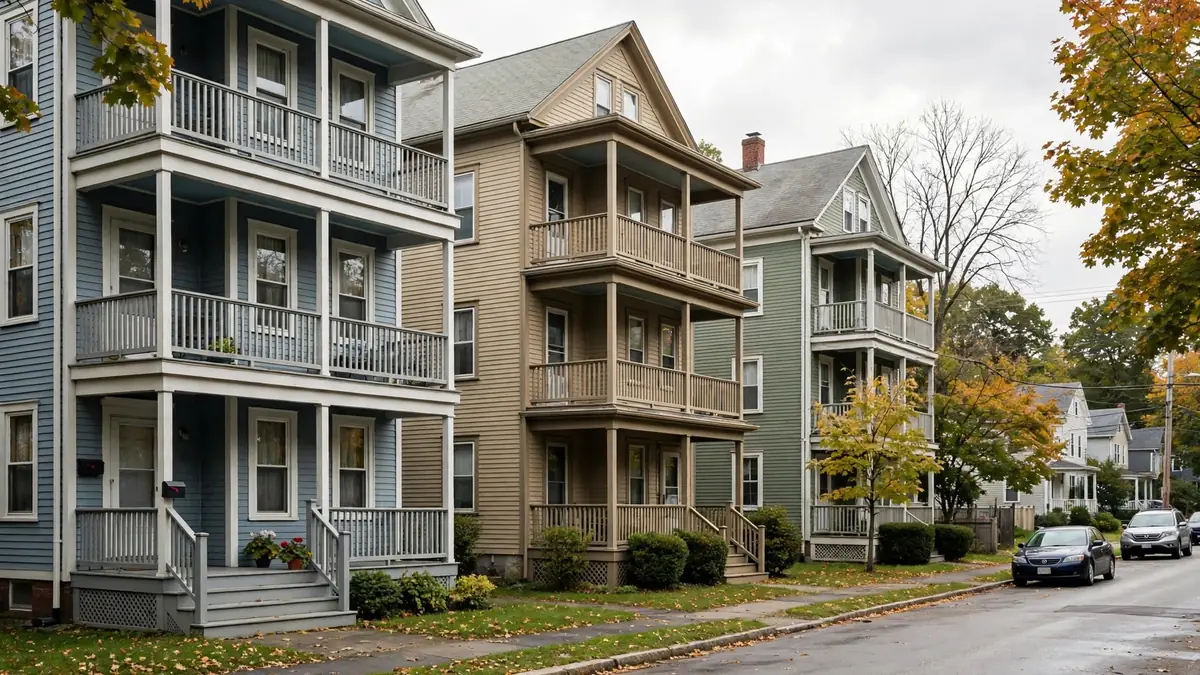
When water falls through a three-decker, the top and bottom units get attention because the source and the basement are obvious. The middle unit may only show a faint stain, so it gets skipped. A week later, a musty smell starts there. Insist that every unit along the water's path is read with a meter and recorded.
Hidden spaces
Where mold hides in older Bridgeport buildings
Balloon-framed walls, plaster ceilings and plumbing chases hold moisture out of sight. Under kitchen cabinets, behind old wainscoting and in closets on exterior walls are classic spots. The EPA's advice is simple: dry wet materials within a day or two and keep humidity down [1].
Rentals
Mold, landlords and tenants
Tenants should report leaks and musty smells quickly and in writing. Owners should act fast on them, because a leak dried within days rarely becomes a mold problem, while one left for weeks often does. If growth is already visible over a large area, professional remediation under the S520 standard is the right route [2].
Shoreline air
Summer humidity near the harbor
Bridgeport's summers bring humid air off the Sound. After water damage, keep windows closed on muggy days and let dehumidifiers work. Run bathroom fans and avoid drying laundry indoors in affected units until everything is confirmed dry.
Checklist
Mold prevention steps for Bridgeport buildings
- Map every unitNot just the obvious ones.
- Remove soaked pad and insulationThey hold water against framing.
- Get boxes out of the basementWithin the first day.
- Hold humidity under 60 percentWith dehumidifiers.
- Keep the drying logAs proof each unit was dried.
Closets
Closets on exterior walls
Closets on outside walls in older apartments are cold, poorly ventilated and often packed with clothes and boxes. After a leak, they hold damp air for days. Empty any closet near the wet area, leave the door open and let a dehumidifier reach it. Wash or dry any clothing that got damp before it starts to smell.
Timeline
Why speed matters more in older buildings
Plaster, plank subfloors and old insulation give mold plenty to feed on, and they dry slowly. A leak dried within the first day or two is rarely a mold problem; one left over a long weekend often is. Owners who get extraction and drying started the same day save themselves far bigger work later.
Hot spots
Common mold hot spots after Bridgeport leaks
Check these even if they look dry.
| Spot | Why it is risky |
|---|---|
| Under kitchen sink base | Water sits behind the toe kick |
| Ceiling of the unit below a bathroom | Water pools on top of plaster |
| Basement corners with boxes | Cool, damp and full of cardboard |
| Exterior wall closets | Cold surfaces and poor airflow |
| Stair treads and stringers | Water runs down and soaks in |
Ventilation
Everyday ventilation in older apartments
Many older units lack bathroom exhaust fans or have weak ones. During and after drying, open a window briefly after showers on dry days, run any fan you have and avoid drying laundry on racks indoors. Small habits keep humidity down while the building recovers.
Furniture
Furniture and belongings in damp apartments
Upholstered chairs and mattresses that got wet in a leak are slow to dry and can start to smell within days. Move them to a dry room with good airflow, or outside on a dry day if possible. If they stay damp after a couple of days or begin to smell musty, they are unlikely to recover. Wooden furniture can be wiped and dried away from direct heat.
Paint
Painting too soon after a leak
Owners understandably want stains gone quickly, but painting over damp plaster or drywall traps the moisture and invites mold behind the paint. Wait for the drying log to show normal readings, use a stain-blocking primer and then paint. The extra few days are worth it.
Follow-up
Checking back a few weeks later
A month after the job, walk through each affected unit and the basement. Sniff for mustiness, look at the bottoms of walls and the ceilings below bathrooms, and check stored boxes. If anything seems off, ask for readings. Catching a missed damp spot early keeps it a small fix.
Humidity
A simple hygrometer in each unit
A small digital humidity meter in each affected apartment shows whether the air is staying in a healthy range. If it sits above 60 percent for long periods, a dehumidifier or better ventilation is needed.
Ceilings
Ceilings below bathrooms
The ceiling directly under an upstairs bathroom is one of the most common mold spots in multi-family houses. Small, repeated leaks from a toilet seal or a tub surround wet the top of the ceiling again and again. A brown ring that keeps coming back is a sign to have the bathroom above checked, not just the ceiling painted.
When the source is fixed, have the ceiling read with a meter and opened if it stays wet, so any growth on the back of the plaster or drywall can be dealt with.
Calling
Describing a mold risk on the call
Tell the contractor when the water arrived, which units and rooms it reached and whether anything smells musty or shows spots already. Mention plaster walls, carpet over old floors and stored boxes in the basement. If it has been more than two days, say so; that shifts the plan from simple drying toward checking for growth inside walls and ceilings. Mention anyone in the household with asthma or allergies, since that affects how carefully demolition dust is contained, and whether the building owner already has a contractor involved, so the work is coordinated rather than duplicated. Photos of any spots help too.
FAQ
Mold questions from Bridgeport residents
My apartment smells musty a week after the upstairs leak. Why?
Something along the water's path is still damp, often inside a wall or ceiling. Ask the owner to have moisture readings taken.
Should we spray bleach on the basement walls?
Cleaning and drying matter far more. Bleach is not a substitute for removing wet materials and controlling humidity.
Who handles mold in a rental?
Generally the owner, since it stems from the building. Tenants should report it promptly and in writing.
Do I need mold testing?
Usually not to start. If growth is visible, the priority is drying and removal.