
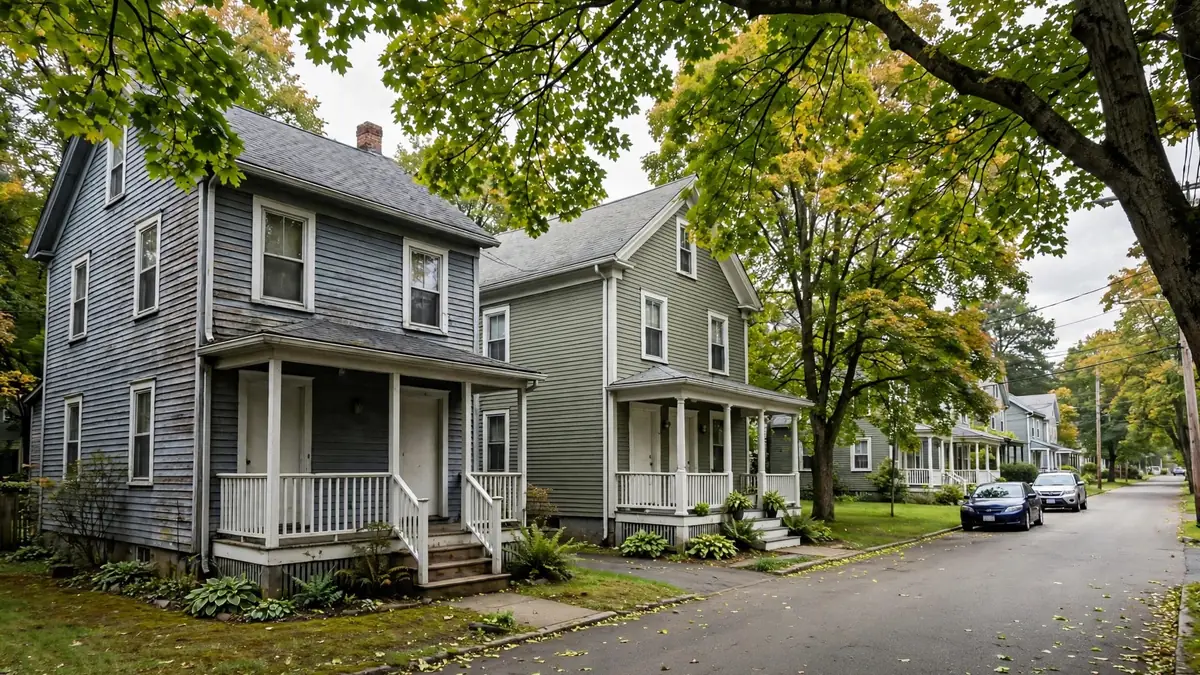
Key facts: Flooded Basement Cleanup in New Haven
Causes
Why New Haven basements flood
Old stone and brick foundations let groundwater through during long rain and spring thaw. Clogged gutters and short downspouts dump roof water right next to the walls. In heavy storms, older sewer systems that carry storm water and sewage together can back up through floor drains [1]. Near the harbor and the Quinnipiac [3], extreme storms can bring outside flooding.
Knowing which happened decides how the water is handled and which insurance may apply.
Storage
Sorting tenants' stored belongings
Each household usually has a corner or a cage. Photograph each area before moving anything, then sort into discard, clean and dry. Cardboard, paper and soft goods that sat in groundwater generally go [2]. Tenants should list their losses for their own renters insurance; the owner's policy rarely covers tenants' belongings.
Mechanicals
Boilers and water heaters in the water
A boiler that sat in water must stay off until a heating technician has checked it, which can leave the building without heat in winter. Tell the restorer right away so drying can be planned around temporary heat. Water heaters, washers and dryers need inspection too.
Drains
When water came up the floor drain
Water rising from a floor drain during a downpour is treated as sewage. Everyone in the building should stop using water until it recedes or a plumber clears the line. Cleanup then includes disinfection, and porous items it touched are discarded. A backwater valve may be worth discussing with a plumber afterwards.
Drying
Drying an old basement after cleanup
After pumping and removal, dehumidifiers and air movers dry the framing overhead, the stairs and the slab. Stone walls will stay somewhat damp, so the goal is protecting the wood and keeping humidity down. Readings in sill plates and joists show when the structure is dry.
Electrical
Panels and meters in the basement
Electrical panels and gas meters are often in the basement, sometimes one panel per apartment. If water is near them, keep everyone out and call the utility or an electrician. Wet panels and outlets need inspection before power is restored.
Smell
Getting rid of the basement smell
The damp smell lasts until every soaked item is out and the wood is dry. If it returns weeks later, something was missed: a box behind the boiler, wet wood shelving or insulation in the rim joist.
Prevention
Keeping a New Haven basement drier
Clean gutters, extend downspouts, keep storage in plastic bins on shelves and run a dehumidifier in summer. Agree with tenants on a storage layout that keeps the floor clear around drains and the boiler. If drains back up in storms, ask a plumber about a backwater valve.
Nearby
Finished basements in Hamden and North Haven
In covered towns north of the city, basements are more often finished family rooms. Cleanup there usually includes removing carpet pad, cutting the lower drywall and pulling insulation. Homes on low ground along the Quinnipiac in North Haven see water most often in heavy rain.
Communication
Keeping every household informed
Owners should tell tenants what happened, when water use can resume, when the boiler will be back on and what the crew will remove. A shared message thread keeps everyone in step and avoids someone running laundry at the wrong moment.
Checklist
First steps in a flooded New Haven basement
- Stay out until power is offFrom a dry location only.
- Stop water use if the drain backed upIn every unit.
- Tell every householdTheir belongings may be wet.
- Leave the boiler offUntil it is checked.
- Photograph everythingBefore cleanup.
Oil
Oil tanks in older New Haven basements
Some older buildings still heat with oil from a basement tank. If floodwater reached the tank, watch for a fuel smell or a sheen on the water. Keep everyone out, avoid sparks and call the fuel supplier and the fire department. Oil mixed into floodwater changes how cleanup is done and what can be saved, so tell the restorer immediately.
Burners and boilers that sat in water also need a technician's inspection before they are started again.
Calling
What to tell the contractor about a New Haven basement
Describe how deep the water is, whether it came through the walls or up a drain, whether the boiler, water heaters or panels got wet, and how much storage is down there. Say whether the power is on and whether the building has a sump pump. Those facts let the crew bring the right pumps and protective gear.
Rebuild
Using the basement again after a flood
Before anything goes back into a flooded New Haven basement, the slab and framing should read dry and the smell should be gone. Rebuild storage with metal or plastic shelving that keeps belongings off the floor, use sealed plastic bins and leave clear space around the floor drain and boiler. A dehumidifier running through the humid months keeps the space usable and helps prevent the musty smell from returning. Tenants should get a say in where their storage goes, so nobody's things end up back in the lowest corner.
Harbor storms
Preparing a harbor-area basement before a storm
When a strong coastal storm is forecast, move stored belongings off the basement floor, clear gutters and the area around basement windows and make sure everyone knows where the electrical panel and water main are. Photograph the basement beforehand. If officials order evacuation for low areas near the harbor, follow it; basements can wait. Afterwards, return only when it is declared safe, and check for gas smells before going downstairs into the basement.
FAQ
Flooded basement questions from New Haven
Who is responsible for cleaning the shared basement?
Usually the owner. Tenants handle their own belongings through renters insurance.
The boiler got wet. When can we have heat?
After a heating technician inspects it. Ask about temporary heat in winter.
Why did water come up the drain in a storm?
Heavy rain can overload older sewer systems and push water back into connected basements.
Can tenants' boxes be dried out?
Plastic bins and hard items often can; soaked cardboard and paper usually cannot.
Does homeowners insurance cover harbor flooding?
Generally no. Outside flooding usually needs flood insurance.